Ethics
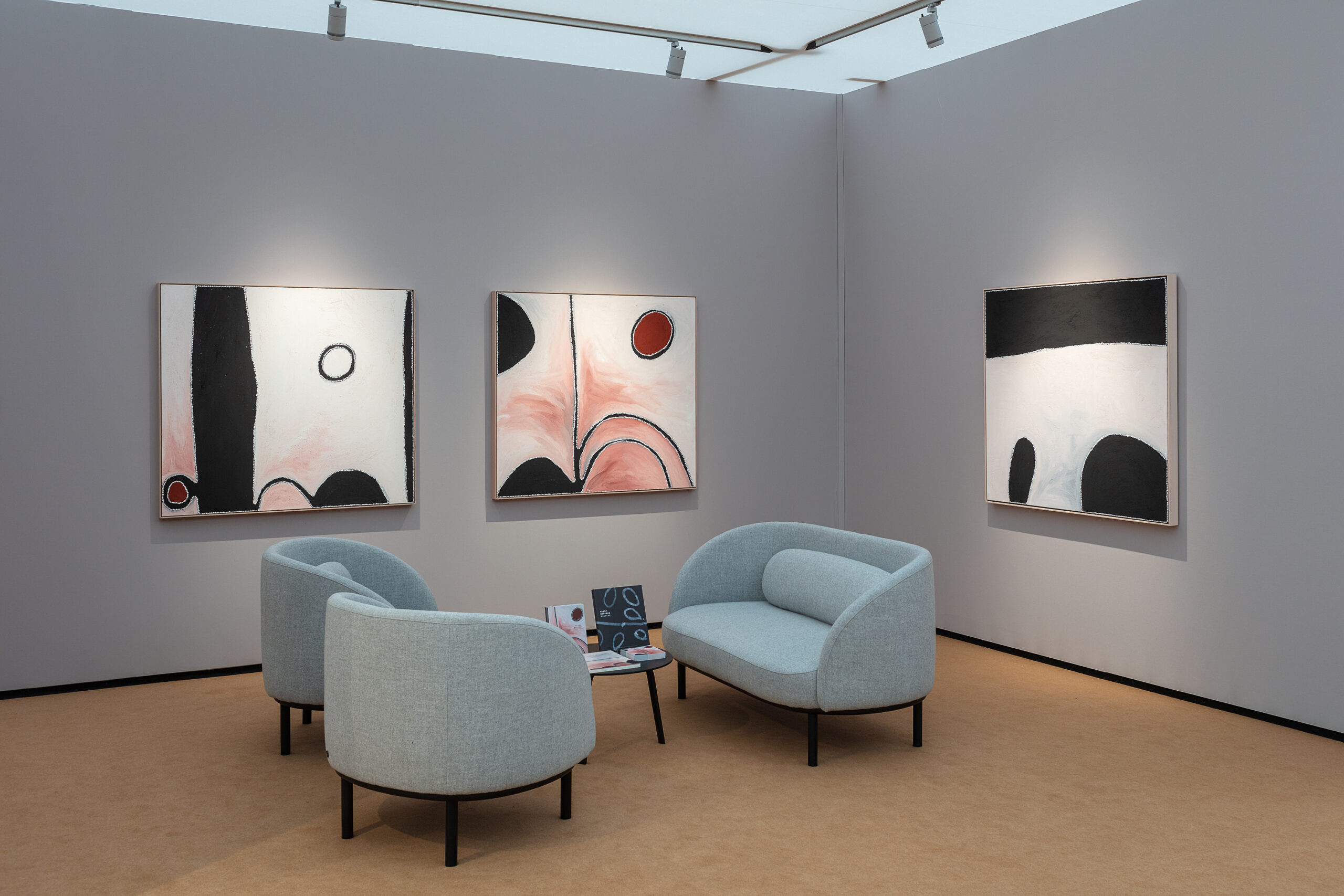
D Lan Galleries’ is committed to ethical market practices and strict provenance protocols which are critical to building confidence in the marketplace and upholding the rights of artists, communities, and art centres.
Ethics
D Lan Galleries is a member of the Indigenous Art Code, a voluntary code of conduct developed by the Indigenous visual arts industry in 2009. The Code sets best practice standards for fair, transparent, and ethical trade with Aboriginal and Torres Strait Islander artists and their art.
In 2019, D Lan Galleries introduced a voluntary resale royalty scheme for First Nations art whereby both seller and gallery contribute a 5% resale fee to the artist or estate for works not otherwise covered under current legislation. The gallery expanded this commitment and now returns 30% of annual profits back to artists and artist communities.
Provenance
In the context of Australian First Nations art, provenance refers not only to the documented history of an artwork—but also provides a traceable link to the artist, their community, and the art centre that may represent them.
Importantly, provenance safeguards against unethical trade practices, ensuring an artwork is legitimately sourced and that artists are fairly compensated.
For collectors, provenance provides assurance of authorship and that the artwork has not been misattributed or fraudulently produced. Well-documented provenance protects the interests of both artist and collector by recording the history of the work’s origin and record of sale.
D Lan Galleries aligns its provenance protocols with those of major public collecting institutions and museums, which includes rigorous title verifications, chain of ownership, and ethical source assessment.
The Role of Art Centres
Acquiring artwork through a First Nations-governed community art centre, or the dealers they endorse, is the most ethical and sustainable path for collectors. Art centres ensure that artists are paid fairly and that cultural protocols are respected.
The First Nations art centre as a sociocultural institution appeared in the early 1970s with the establishment of Papunya Tula Artists. As First Nations communities gained greater agency over their artistic and cultural expression, more art centres were founded across Australia, particularly in Arnhem Land, the Central Desert, the Kimberley region, and the Tiwi Islands.
Art centres serve as social and market ecosystems—community-led commercial hubs connecting remote artists with national and international audiences. They operate as not-for-profit, community-led cooperatives where artists are supported in the production and sale of their work while retaining cultural integrity and control over pricing.
For many remote communities, art centres provide the primary source of sustainable income. The revenue generated is often reinvested into community health, education, and cultural preservation. Art centres also act as protective measures against commercial exploitation, ensuring artists receive fair and timely compensation.
Approximately eighty art centres currently operate across Australia, each receiving Australian Government funding to support staffing, registration, and operational environments that support quality artistic production.
Pre–art centre and early community-based contexts
Certain early facilitators operating prior to the establishment of formal Aboriginal art centres are recognised by Australian public institutions as ethical provenance sources where their engagement was artist-led, non-exploitative, culturally informed, and subsequently validated through institutional acquisition and exhibition.
Recognised first provenance sources
For specific artists, D Lan Galleries accepts documented provenance from select reputable commercial galleries as ethical first-line provenance, where those galleries maintained direct, ongoing relationships with the artist and generated comprehensive documentation. These exceptions apply only where the gallery operated as the artist’s primary representative and where major Australian public collecting institutions accept their provenance.
Buying First Nations Art
When purchasing First Nations art, collectors should look for art centre provenance whenever possible; documentation including certificates of authenticity; and confirmation that dealers are signatories to the Indigenous Art Code and work collaboratively with artists’ art centres.
Please contact us if you have any questions about the ethical acquisition of Australian First Nations art.