TEFAF Maastricht 2026
Melbourne – D LAN GALLERIES is delighted to announce its return to TEFAF Maastricht this March 2026 with a presentation of thirteen exceptional masterpieces by Australia’s most celebrated Indigenous artists.
The presentation comprises works from the 1970s through to the present day by many of the artists who shaped the trajectory of this dynamic art movement, that will showcase the remarkable depth, diversity and quality of Australian Indigenous art.
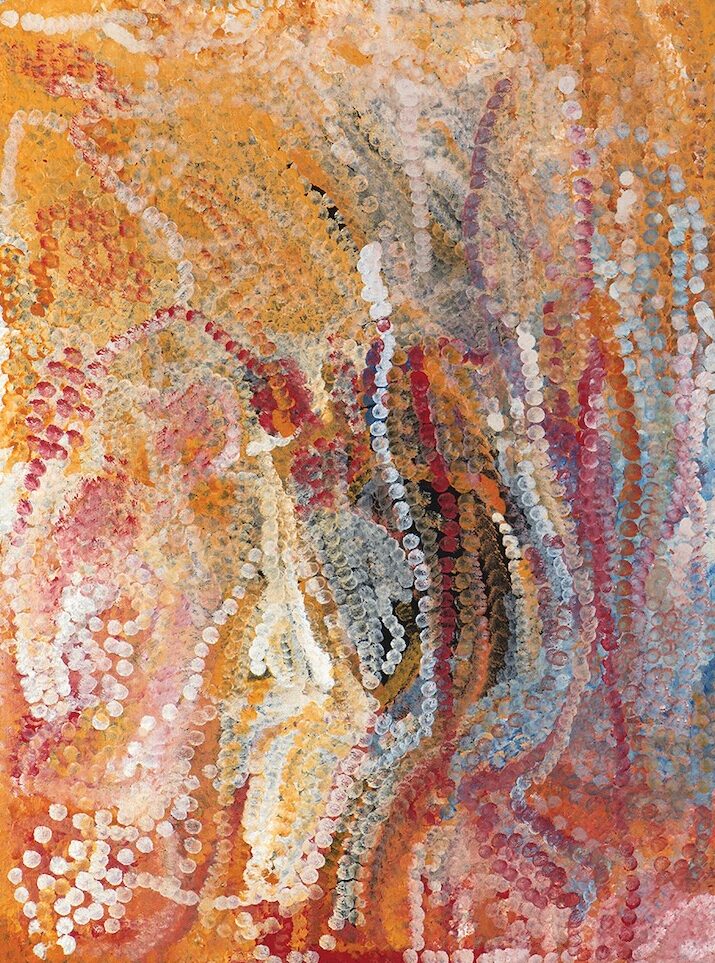
Major highlights include Untitled – Winter Awelye 1995 by Emily Kam Kngwarray (c. 1914–1996), one of Australia’s most recognised and renowned artists whose recent, critically acclaimed, retrospective at Tate Modern attracted over 100,000 visitors.
ABOVE: Emily Kam Kngwarray c. 1915 – 1996 | Untitled – Winter Awelye 1995 | © Emily Kam Kngwarray/Copyright Agency 2026
This exceptional work, from the artist’s celebrated final years, was created at Delmore Downs, a remote cattle station near the Utopia homelands, about 250 kilometres northeast of Alice Springs. The painting, which reflects the landscape that shaped Kngwarray’s visual language and ceremonial practices, was previously exhibited in My Mother Country – Malerei der Aborigines’ at Kunsthaus Zug, Switzerland (2019–20), and is from the esteemed private collection of Pierre and Joëlle Clément.
Mirdidingkingathi Juwarnda Sally Gabori (c. 1924–2015) began painting at the age of 81 and in the final decade of her life produced a body of work that cemented her reputation as one of Australia’s most important contemporary artists.
Born on Bentinck Island in the Gulf of Carpentaria, she was part of the last generation of Kaiadilt people to live a traditional lifestyle before her community was forcibly evacuated in 1948.
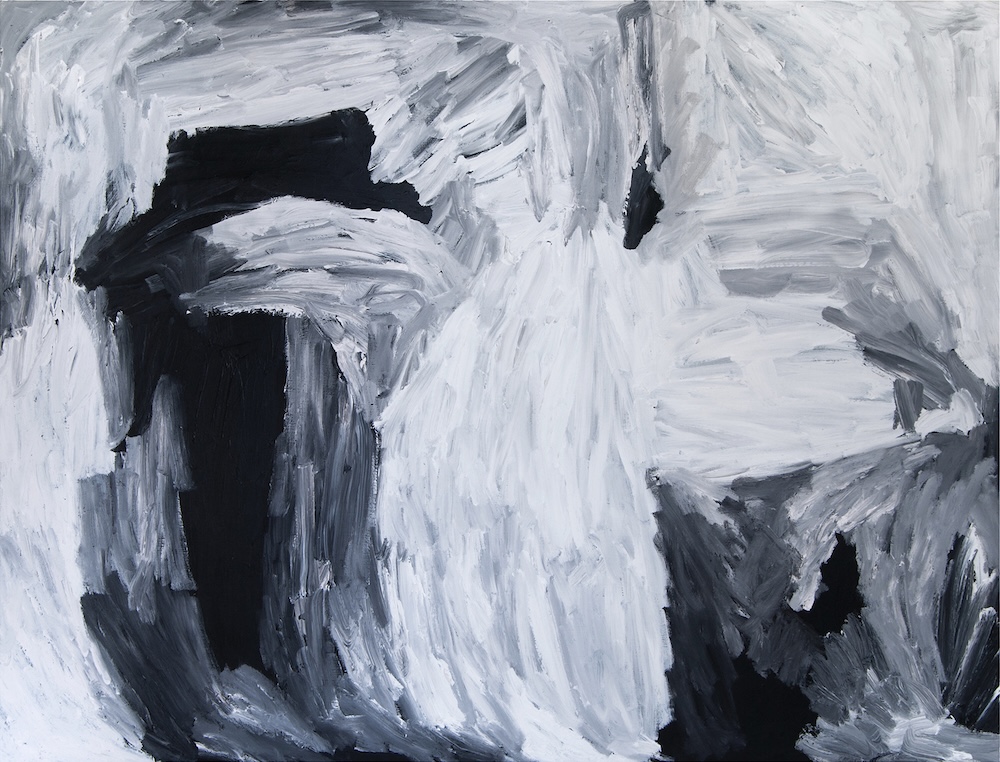
Mirdidingkingathi Juwarnda Sally Gabori (c. 1924–2015) | Dibirdibi Country 2011
Gabori’s bold, gestural paintings—vibrant expressions of her ancestral Country which are simultaneously abstract and deeply topographical—have earned her international recognition and admiration. In 2022, Fondation Cartier, Paris staged her first major solo exhibition outside Australia, which toured to Triennale Milano in 2023. Her work was also featured in the central exhibition of the 59th Venice Biennale that same year, and in June 2025, Fondation Opale in Switzerland hosted Beneath the Reflections of the World, displaying Gabori’s paintings alongside those of American artist, Forrest Bess.
Dibirdibi Country 2011 is one of three significant paintings by the artist to be included in this presentation.
Johnny Warangkula Tjupurrula (c. 1925-2001) was one of a group of senior men at Papunya, a small settlement 250 kilometres north-east of Alice Springs, who began painting on composition board, marking the start of the revolutionary Papunya Tula art movement in 1971.
Water Dreaming and Lightning 1971 is one the first works Warangula is known to have created, in which he has ingeniously transferred designs typically painted onto backs and torsos during ceremonies onto a similarly shaped board.
Warangula salvaged paint and substrates from building sites around Papunya and alongside other senior cultural figures, occupied an abandoned government settlement office where he painted contemporary representations of important cultural sites.
An interested schoolteacher working at Papunya, Geoffrey Bardon, observed the men painting and began assisting them. Bardon retained this iconic painting as an exemplary work from Warangula’s early practice.
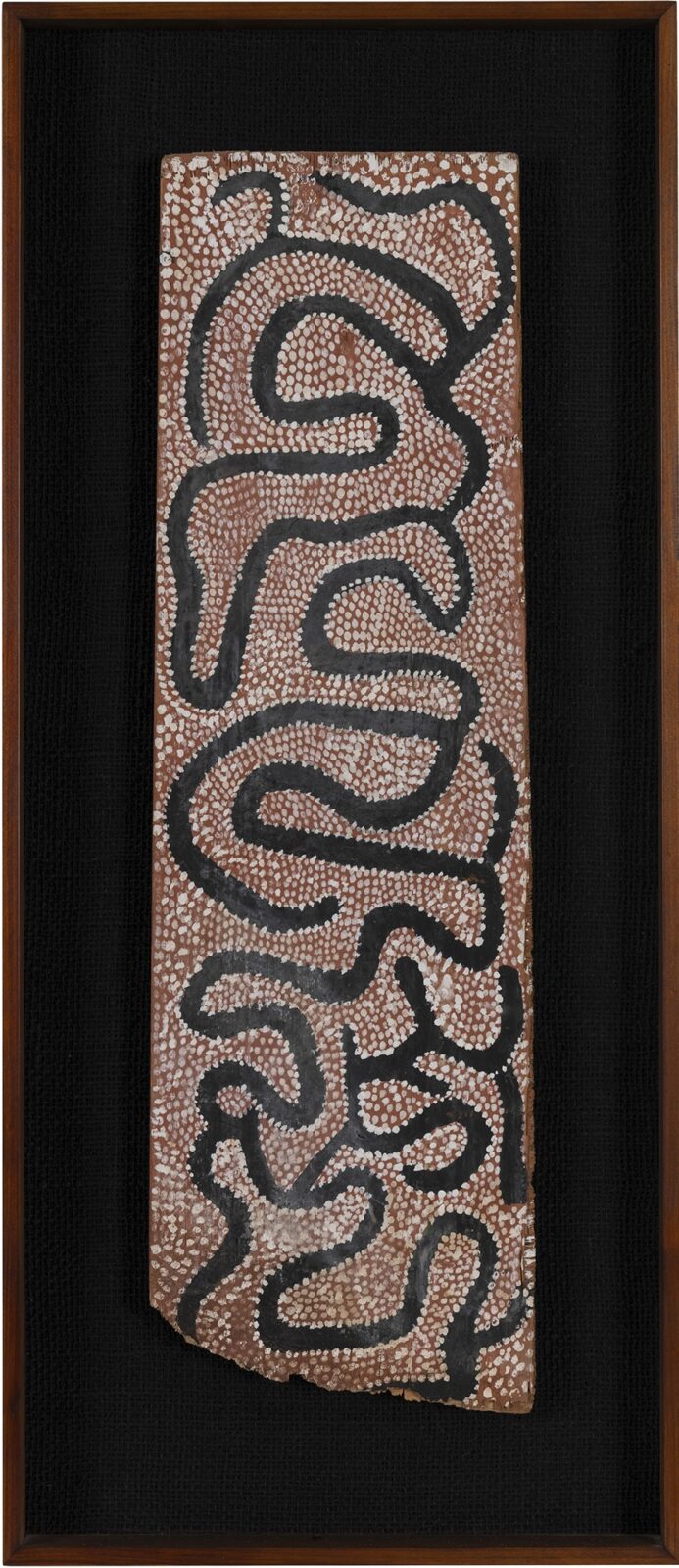
Johnny Warangula Tjupurrula c. 1925 – 2001
Water Dreaming and Lightning 1971
Gordon Bennett (1955-2014) was an acclaimed contemporary artist who was born to an indigenous Australian mother and an Anglo-Celtic father. His work was deeply informed by his personal experience of his dual heritage, and he resisted being categorised as an Indigenous artist—seeking instead to be recognised as an international contemporary artist.
Notes to Basquiat (911) is one in a series of works in which Bennett engaged in a personal and visual dialogue with Jean–Michel Basquiat.
Bennett felt a deep affinity with Basquiat and the experience they shared as artists confronting themes of racial identity and stereotyping, colonialism, historical erasure and trauma. In this series, Bennett not only sampled Basquiat’s imagery, but also embraced his signature graffiti-like style.
Painted in the immediate aftermath of the September 11, 2001, terrorist attacks in Manhattan. Notes to Basquiat (911) served as the central work in the exhibition of the same title. The painting situates itself within New York, specifically Basquiat’s New York, while invoking the visceral imagery that has come to define that harrowing day: aircraft, imploding towers, burning debris, contorted metal, and human remains.
D Lan Galleries | Booth 458 | TEFAF Maastricht (12-19 March 2026)
